thecitizen.co.tz
@thecitizen Fri, 21 Aug 2026 01:34:08

Tour operators renew opposition to Mt Kilimanjaro cable car plans
Tourism operators have renewed their opposition to plans to introduce a cable car on Mount Kilimanjaro, warning that the project could affect jobs, government revenue and the mountain's environmental integrity.
read moreOther Headlines
thecitizen.co.tz
@thecitizen 14 hours ago
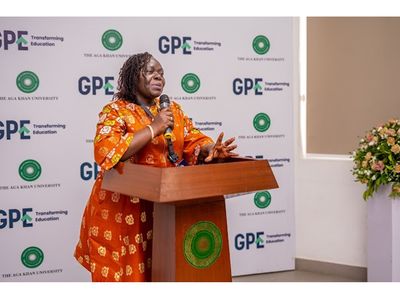
Tanzania's changing classrooms demand a new approach to teacher training
Teachers must also be equipped to help learners think critically, solve problems, communicate, create and apply knowledge in a world increasingly shaped by digital technology and artificial intelligence (AI).
read morethecitizen.co.tz
@thecitizen Sat, 22 Aug 2026 08:27:49

Fitch upgrades Tanzania's economic outlook to positive, keeps B+ rating
Tanzania's economic prospects have improved, with global credit rating agency Fitch Ratings revising the country's outlook to positive from stable while affirming its long-term issuer default rating at 'B+'. The revision, announced on Friday August 21, 2026, reflects expectations of stronger international reserves, moderate fiscal deficits and continued economic growth, which Fitch said would support a downward trajectory in government debt. The agency also acknowledged improvements in Tanzania's macroeconomic policy framework, including institutional and operational reforms that have strengthened central bank independence, exchange-rate management and foreign exchange (FX) operations. "Recent institutional and operational improvements in the country's macroeconomic policy framework could also increase its resilience to shocks, but these remain to be tested," Fitch said. The positive outlook signals the potential for an upgrade if the improvements in economic management continue to strengthen the country's resilience to external shocks. Fitch expects Tanzania's international reserves to rise to $7.9 billion by 2028, from $6.3 billion at the end of 2025. The projected reserves would provide coverage equivalent to 3.3 months of current external payments, although this remains below the 4.2-month median for countries in the 'B' rating category. Fitch said reduced distortions in the foreign exchange market and greater exchange-rate flexibility would help mitigate near-term external risks. The country's external buffers could also receive a boost from the Bank of Tanzania's holdings of non-monetary gold, estimated by Fitch at $2.4 billion. The agency said the gold could either be sold for foreign exchange or converted into monetary gold, with the process already under way. Debt trajectory improves Fitch expects Tanzania's government debt-to-GDP ratio to decline to 46.2 percent in 2028, from 48.9 percent in 2025. The decline is expected to be driven by strong nominal economic growth and low primary deficits. The projected ratio would remain below the 55 percent median for countries rated in the 'B' category. The agency estimates Tanzania's fiscal deficit at 2.8 percent of GDP for the financial year ended June 2026 and forecasts it will remain close to 3 percent of GDP through 2028. Fitch attributed the FY2026 performance partly to strong revenue collection and the limited impact of fuel subsidies on fiscal execution. It also noted that tax revenues increased by one percentage point to 15.6 percent of GDP between FY2023 and FY2025, reflecting gains in revenue mobilisation under the government's Medium-Term Revenue Programme. However, the agency warned that Tanzania's debt position remains exposed to exchange-rate depreciation because external debt accounts for 68 percent of total government debt. Fitch expects Tanzania's real GDP growth to reach 5.8 percent in 2026, significantly above the 3.7 percent projected median for countries in the 'B' category. The agency expects growth to average 6.1 percent in 2027 and 2028, supported by public investment, tourism, Tanzania's position as a regional logistics hub and the emerging mining sector. "Material disruptions to fuel supply were prevented by authorities' direct procurement from an energy trader, which guaranteed supply between May and July. Fitch assumes no material negative impact on the tourism sector for the full yearThe agency assumed there would be no material negative impact on tourism for the full year," its report read in part. Fitch forecasts average annual inflation of 4.2 percent in 2026, up from 3.3 percent in 2025 but below the 5.6 percent median projected for 'B'-rated countries. The agency also highlighted improvements in public financial management. By March 2026, the verified stock of supplier and VAT refund arrears had fallen to 0.2 percent of GDP, from 1.2 percent in December 2022. Fitch identified continued strengthening of foreign exchange reserves, further improvements in revenue mobilisation and expenditure controls, and greater confidence in Tanzania's macroeconomic policy framework as factors that could lead to a positive rating action. The agency, however, maintained that some of the recent policy reforms remain relatively new and therefore need to be tested over time.
read morethecitizen.co.tz
@thecitizen 18 hours ago
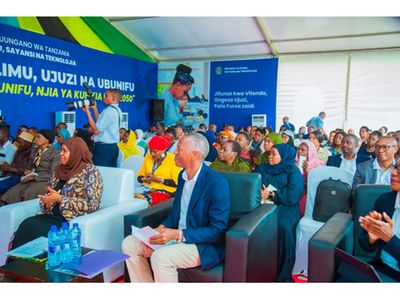
From idea to asset: Tanzania launches InnoIP initiative to safeguard local creators
Commission for Science and Technology (Costech) director-general, Dr Amos Nungu, explained that InnoIP integrates multi-institutional capacity into a single system, guiding innovators from conceptualisation through IP protection to market entry.
read morethecitizen.co.tz
@thecitizen 18 hours ago

Free health camp screens more than 9,500 people in Dar es Salaam
The camp was held as part of commemorations marking the martyrdom of the grandson of Prophet Muhammad, Imam Hussein, at Karbala in present-day Iraq more than 1,400 years ago.
read morethecitizen.co.tz
@thecitizen Sat, 22 Aug 2026 09:34:03

Why ACT-Wazalendo has held off entering Zanzibar's government
The National Chairman of ACT-Wazalendo, Mr Othman Masoud Othman, has emphasized that building a strong nation must be rooted in freedom, peace, and access to justice for all citizens, rather than coercion or force.
read morethecitizen.co.tz
@thecitizen Sat, 22 Aug 2026 09:24:54
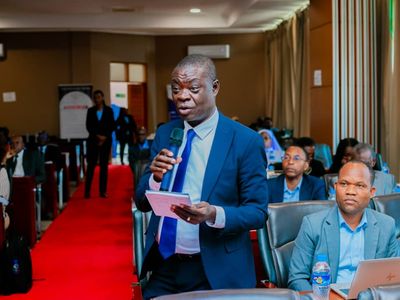
Online learning puts Tanzania's university quality systems to test
As universities increasingly turn to digital platforms to expand access to higher education, experts have warned that the rapid growth of online learning could undermine public confidence in academic qualifications unless institutions strengthen their internal quality assurance systems. The warning emerged during a Tanzania Commission for Universities (TCU) consultative workshop in Tanga on August 22, 2026. The meeting brought together vice-chancellors, deputy vice-chancellors, principals, and senior academic leaders from across the country to discuss emerging trends in higher education. Held alongside National Education, Skills and Innovation Week under the theme: Responding to Emerging Trends and Advancing Excellence in University Education, the forum highlighted online and transnational education as key areas requiring urgent intervention. Director of Academic and Institutional Audits at the Zimbabwe Council for Higher Education (ZIMCHE), Dr Hardson Kwandayi, noted that online learning is expanding rapidly across Africa, driven by digital transformation, internationalisation, and demand for flexible study modes. However, he warned that this rapid growth poses significant risks to universities and regulators, spanning academic integrity, inadequate infrastructure, degree recognition, and the proliferation of fraudulent providers. "Traditional quality assurance systems are no longer sufficient for online education, as they were designed mainly for campus-based institutions and often fail to evaluate digital learning environments adequately," said Dr Kwandayi. While online learning removes geographical barriers, supports self-paced study, and fosters international collaboration, Dr Kwandayi stressed that these benefits depend entirely on robust institutional frameworks. Unlike conventional contact learning, digital delivery exposes students to unstable internet connections, high data costs, limited peer interaction, and weak academic support. Universities also struggle to deliver practical laboratory training online, while digital assessments heighten risks of plagiarism, impersonation, contract cheating, and unauthorized AI tool usage. Unchecked poor-quality providers threaten to erode public trust across the entire higher education ecosystem. Dr Kwandayi urged institutions to collaborate closely with quality assurance agencies rather than relying solely on external regulation. TCU's regulatory response In response, the TCU is tightening frameworks governing internal quality standards. TCU executive secretary, Prof Charles Kihampa, told delegates that the regulator has adopted resolutions to strengthen institutional Quality Assurance Units, enforce regulatory compliance, and improve academic governance. Key measures include embedding quality assurance into strategic planning, acting on audit recommendations, and enforcing approved student intake limits through the Universities Information Management System. "The Commission already maintains specific guidelines covering online and blended delivery modes, alongside programme benchmarks and the University Qualifications Framework," said Prof Kihampa. He added that all programmes must undergo accreditation via the online Programme Management System, which also functions as a public database of accredited curricula. Beyond compliance Regional Project Coordinator for the East Africa Skills for Transformation and Regional Integration Project (EASTRIP), Dr Cosam Joseph, argued that institutions must look beyond basic regulatory requirements. "Compliance alone is no longer sufficient to ensure institutions remain relevant, innovative, and globally competitive," said Dr Joseph, urging university leaders to reposition quality assurance as a driver of continuous improvement, evidence-based decision-making, and institutional excellence.
read morethecitizen.co.tz
@thecitizen Sat, 22 Aug 2026 09:30:27

Romanian national held in Sh171.7m bank card fraud probe
A 39-year-old Romanian national, Mr Constantin Catalin Podoleanu, is in the custody of the Prevention and Combating of Corruption Bureau (PCCB) in Arusha over allegations of using stolen bank card details to illegally obtain money. Arusha Regional PCCB head, Ms Zawadi Ngailo, said the suspect was arrested on Thursday, August 20, 2026, at around 10 pm at his residence in Njiro, Arusha. Speaking to journalists on Saturday, August 22, 2026, Ms Ngailo said the arrest followed information provided by members of the public. She said a subsequent search of the suspect's residence at Njiro Block D, Engutoto Ward, led to the seizure of equipment and other items allegedly linked to the suspected fraud. Among the items recovered were six point-of-sale (POS) machines, various bank cards, equipment and chemicals suspected to have been used to produce counterfeit cards, and two laptops. PCCB officers also recovered various receipts with a total value of more than Sh171.7 million, as well as payment receipts worth $55,987.20. "The officers further seized Sh2.17 million in cash, a €20 banknote and 15 Saudi riyals," said Ms Ngailo. Preliminary investigations have established that the bank card details allegedly obtained illegally belonged to nationals of different countries outside Tanzania. According to Ms Ngailo, money was allegedly withdrawn from the victims' personal bank accounts and later used to pay for various services in Tanzania through bank cards. "Some of the individuals concerned have also said they had never received the services for which the payments were made during the period in question," she said. Ms Ngailo said investigations were ongoing to establish more details about the alleged offences, the circumstances surrounding them and whether other individuals were involved in the suspected network. "Once we complete our investigations, we expect to take the suspect through the next stages of the legal process," she said. She urged members of the public to continue providing information on corruption and financial crimes to assist authorities in preventing and combating such offences. A resident of Njiro, Ms Neema Mosha, said the arrest had shocked residents, who had not suspected that the Romanian national could be involved in such activities. "It is good that our security organs are there to curb crime. We have been living here without suspecting that someone among us could face such allegations," she said. Ms Mosha called for further investigations to establish whether other people were involved in the alleged network and urged authorities to take legal action against anyone found culpable.
read morethecitizen.co.tz
@thecitizen Sat, 22 Aug 2026 08:57:17
Why unintegrated systems are bleeding Tanzania's forest revenue
Unintegrated systems have been cited as one of the reasons forest resources are lost without accurate information, depriving the government of much-needed revenue.
read morethecitizen.co.tz
@thecitizen Sat, 22 Aug 2026 09:05:03

Register innovations early for legal protection, Brela urges Tanzania creators
The Business Registrations and Licensing Agency (Brela) has urged local innovators and inventors to register their creations early to secure legal protection, gain exclusive rights, and prevent unauthorised exploitation. The call was made on Saturday, August 22, 2026, by Brela Registration Officer, Mr Benedickson Willson, during an interview with The Citizen's sister newspaper Mwananchi at the National Education, Skills and Innovation Week exhibition, taking place at the Usagara Secondary School grounds in Tanga Region. Mr Willson said Brela's participation in the event, running from August 15 to 24, 2026, aims to reach innovators, educate them on intellectual property rights, and provide direct access to business, trademark, and patent registration services. He emphasized that formal registration transforms creative ideas into valuable commercial assets, offering significant economic opportunities for individuals and the country. "People often view innovation casually, but it is a critical driver of national development and a key pillar toward achieving the National Development Vision 2050," said Mr Willson. He noted that registering trademarks or service marks safeguards brands against counterfeits, preserving brand value and preventing financial losses caused by identity theft. Registered intellectual property can also be commercialized, licensed, or transferred through formal agreements to yield monetary returns. Innovators attending the exhibition welcomed the agency's outreach. Ms Asha Mwakalukwa, noted that the sessions helped her realise that creating a product is only the first step. "I learned that operating without registration leaves my work exposed. This exhibition showed me the importance of completing registration early so my work is legally recognised and protected," she said. Another visitor, Mr Juma Mbarouk, said direct engagement with Brela experts clarified how registration opens doors to commercial opportunities. "I now understand that registering an innovation isn't just an option, it is an essential step to secure it and build a viable business," said Mr Mbarouk. Mr Willson highlighted that technological breakthroughs, including artificial intelligence tools designed to assist persons with disabilities, hold immense value when properly protected. He reaffirmed Brela's commitment to using public exhibitions to educate creators and drive national development through protected innovation.
read morethecitizen.co.tz
@thecitizen Sat, 22 Aug 2026 09:08:27
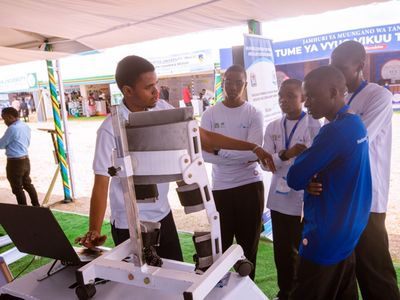
AI innovation seeks to bridge Tanzania's digital divide for people with disabilities
For individuals who rely on sign language, a classroom, workplace, public meeting, or family gathering can quickly become a place of isolation when those around them cannot communicate effectively. To address this everyday barrier, a group of young innovators from Muhimbili University of Health and Allied Sciences (Muhas) has developed an artificial intelligence (AI) solution, Bridging Silence that translates sign language into Kiswahili text and speech in real time. Showcased during the National Education, Skills, and Innovation Week in Tanga, the technology eases communication for people with hearing and speech disabilities, particularly students facing learning environments unequipped for their needs. At the core of the system is SautiBox, a device equipped with a camera, speaker, and microprocessor. It captures user gestures, processes them, and outputs spoken Kiswahili for hearing individuals. The team is also developing a supporting mobile application and web portal. Core Software Developer Sabri Salumu explained that the project grew out of witnessing the persistent social exclusion experienced by sign language users. "In Tanzania, individuals who rely on sign language face constant barriers because spoken language is routinely assumed to be the default," he said. "The lack of localised digital sign-language infrastructure, limited awareness among hearing populations, and the absence of scalable translation tools created an urgent need for action," added Mr Salumu. The team, which includes Project Manager, Ms Radhia Omary, Signal Processing Developer, Mr Ezekiel Paul, and Community Liaison Coordinator, Ms Joycelyne Joshua, began by engaging with specialized institutions in Mbeya and Dar es Salaam. Their observations revealed that communication challenges affect children long before they reach the classroom. Concerns over societal integration lead some families to delay schooling. Those who do enrol often struggle when teachers, peer groups, and learning materials are ill-prepared for inclusive communication. Innovators emphasize that the core issue is not learning capability. Rather, the communication gap prevents these students from participating fully in lessons, asking questions, socializing, and accessing information on equal terms. Bridging Silence aims to close that gap. The team has already built a baseline system translating letter-based hand gestures into speech. Their next objective is to build a two-way model converting spoken Kiswahili back into sign language using 3D animation and motion-sensing technology. Scaling from a prototype to a commercial product will require dedicated funding, computing capacity, data, and institutional partnerships. This is where Tanzania's expanding innovation ecosystem becomes vital. Through the Tanzania Commission for Science and Technology (Costech), the government provides technical and financial assistance via initiatives such as MAKISATU to help commercialize emerging solutions. Marking Costech's 40th anniversary, the director general, Dr Amos Nungu, reiterated the national imperative to translate research into practical solutions for local challenges, urging academic institutions to focus on high-impact development outcomes. The effort aligns with wider national priorities. Under the National Digital Education Strategy 2024/25–2029/30, the Ministry of Education, Science and Technology is scaling up digital infrastructure and inclusive education frameworks. Innovations like Bridging Silence offer practical technological tools to reinforce these policy objectives on the ground.
read morethecitizen.co.tz
@thecitizen Sat, 22 Aug 2026 09:01:03

Hanging sentence quashed as Tanzania Court of Appeal frees teacher in pupil death case
The Court of Appeal has set aside the death sentence imposed on former primary school discipline master Respicius Mutazangira, substituting his murder conviction with manslaughter and ordering his immediate release.
read morethecitizen.co.tz
@thecitizen Sat, 22 Aug 2026 09:16:20

Tanzania enters Global AI network to drive digital transformation
Tanzania, through the Nelson Mandela African Institution of Science and Technology (NM-AIST), has been selected to join a global artificial intelligence (AI) platform aimed at narrowing the worldwide gaps in AI skills, research and technological infrastructure. Known as the Global AI Capacity Development Network (AICDN), the initiative is supported by the United Nations Office for Digital and Emerging Technologies (UN-ODET), which was established by the UN General Assembly and launched in Switzerland in July 2026. NM-AIST is the only institution in Tanzania selected to join the network, positioning the country to strengthen its pipeline of AI researchers, engineers and innovators capable of applying the technology to national priorities including agriculture, healthcare, education, climate change, manufacturing and public services. Speaking during the institution's 12th graduation ceremony, NM-AIST Vice Chancellor, Prof Maulilio Kipanyula, said the institution's inclusion in the network represented an important international recognition and an opportunity to expand its collaboration with institutions around the world. He said the development would open new avenues for international partnerships while strengthening NM-AIST's contribution to the advancement of AI. Prof Kipanyula said the network focuses on four key areas, AI foundations, AI enablers, capacity development and open science. "Under capacity development, the network seeks to facilitate university-level training, curriculum alignment, student and researcher exchanges, summer schools, competitions and hands-on training," he said. "It also promotes collaboration in the use of open data, open-source software, open AI systems and joint approaches to evaluating AI systems," added Prof Kipanyula. For Tanzania, he said, the opportunity would expand access to international expertise, collaborative research, specialised training and student and researcher exchange programmes. "This can also help Tanzania build the capacity to develop AI solutions that respond to local needs, rather than relying heavily on technologies developed outside the country," he said. Prof Kipanyula said the initiative could help position Tanzania to use AI not only as a consumer of imported technologies, but also as a developer of home-grown solutions addressing the country's development priorities. A total of 138 graduates were awarded postgraduate degrees during the 12th graduation ceremony, including 127 Tanzanians and 11 international graduates from Uganda, Kenya, Rwanda, Cameroon and South Sudan. Speaking to the graduates, NM-AIST Council Chairperson, Ambassador Maimuna Tarishi, urged them to apply their academic knowledge, skills and expertise to solving challenges facing society. "Use your education to provide solutions to challenges facing society, particularly those that drive industrial development and the implementation of our national development vision. Do not become part of the challenges you are expected to solve," she said. NM-AIST Chancellor Omari Issa urged heads of schools and departments to ensure that innovations developed at the institution are taken beyond research laboratories and commercialised to generate wider social and economic benefits. "Innovations should not remain on paper or in institutional cabinets. They must be translated into practical solutions that contribute to the development of various sectors, including the economy, business, agriculture, livestock and the environment," he said. He also challenged the graduates to acquire and apply AI skills to add value to their innovations and improve the efficiency of their research and technology development.
read morethecitizen.co.tz
@thecitizen Sat, 22 Aug 2026 03:11:45

Magufuli bus terminal faces fresh passenger comfort test
Passengers using Magufuli Bus Terminal in Dar es Salaam have raised concerns over inadequate seating and waiting areas, with some forced to stand for long periods or sit on their luggage while waiting for buses.
read morethecitizen.co.tz
@thecitizen Sat, 22 Aug 2026 06:56:26

Kenyan businesswoman among three arrested for running tourism operations 'reserved' for Zanzibaris
The arrests expose a glaring conflict between Zanzibar's strict local-ownership laws and the East African Community protocol.
read morethecitizen.co.tz
@thecitizen Fri, 21 Aug 2026 10:48:32

Lissu: I am on trial for fighting for a new Constitution
Chadema chairman Tundu Lissu has told the High Court in Dar es Salaam that the treason case against him stems from his long-running campaign for a new Constitution, the rule of law and electoral reforms.
read moreRight Column Content